

Is your car’s headliner sagging? Are the seats worn out, the steering wheel smooth and slippery, and the dashboard cracked? If your car’s interior is showing its age, it’s time to act.
The condition of a vehicle’s interior is often underestimated, but a worn-out cabin isn’t just a cosmetic issue. A sagging headliner, a deformed seat or a worn steering wheel can compromise comfort and even driving safety.
At MGR Group, based in the industrial area of Agropoli, in the heart of Cilento, we specialize in car interior restoration and customization, offering tailored solutions for every need. We work on all cars, from compacts like the Fiat Panda and Fiat 500, to sedans and sporty models like the Volkswagen Golf, always using the highest quality materials.
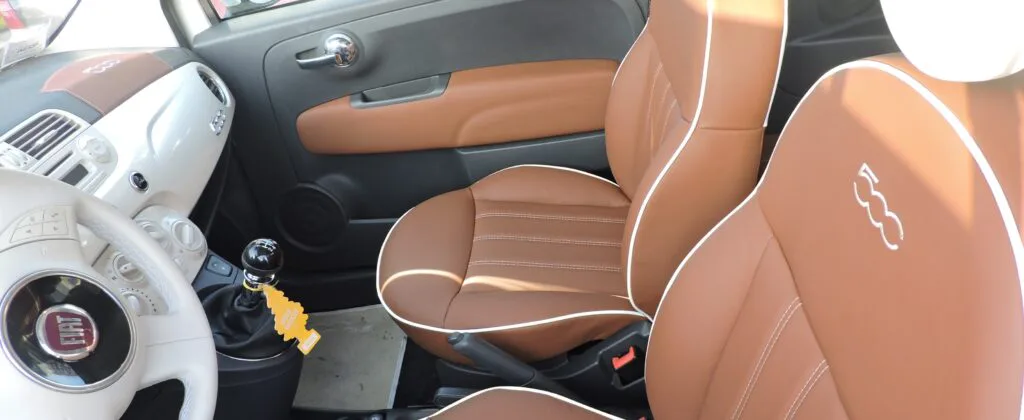
Why renew your car’s interior?
A car’s interior isn’t just a matter of looks — it directly affects driving quality and the well-being of the driver and passengers. Neglecting the interior can lead to several problems, including:
- Reduced driving comfort.
- Buildup of dust and mold harmful to health.
- Greater risk of distraction and discomfort during trips.
- Lower resale value of the car.
Acting in time lets you avoid annoyances and discomfort and drive in a comfortable, clean and safe environment.
Problems that can arise if you don’t act
Sagging car headliner: a bigger problem than it seems
One of the most common problems in car interiors is a sagging headliner — the interior roof lining starting to come loose. This happens due to heat, humidity and the deterioration of the adhesives used in original manufacturing.
If the headliner isn’t repaired, several problems can occur:
– Complete detachment of the fabric, hanging inside the cabin, creating visual annoyance and limiting rear visibility.
–Dust release from the deteriorating glue and fabric, inhaled by everyone on board.
–Possible mold growth between the fabric and the roof panel, creating unpleasant odors and health risks.
If you own a Renault Clio, Jeep Renegade or Dacia Sandero, you may have noticed these models are particularly prone to this issue due to the shape of the roof and the adhesives used, which deteriorate over time.
A sound, well-secured headliner doesn’t just improve the look of the cabin — it also ensures a healthy, safe environment.
Worn steering wheel: less grip, more driving risk
The steering wheel is the main point of contact between the driver and the car, and it’s essential that it offer a firm, comfortable grip. Over time, the original steering wheel covering can wear down and become smooth and slippery, reducing vehicle control.
What happens if the steering wheel is worn?
–Less grip while driving, especially in emergencies or with sweaty hands.
–Greater hand fatigue, because the driver has to grip harder to make up for the poor grip.
–A less pleasant driving feel and a loss of elegance in the cabin.
If you live in Cilento, you can rely on MGR Group for professional steering wheel restoration, choosing high-quality leather, eco-leather and technical material coverings, for a secure grip and an improved look for your vehicle.
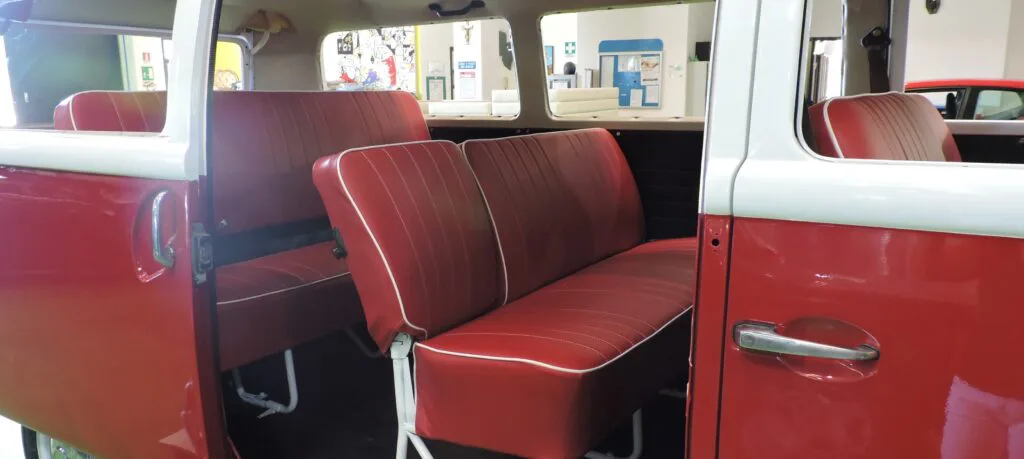
Damaged car seats: a problem for your back
A car’s seats need to provide comfort and postural support for the driver and passengers. Over time, interior materials can lose elasticity, making the seat hard, uncomfortable and deformed, as happens in some vehicles like the Lancia Ypsilon, Fiat 500X and Citroën C3.
A worn seat can cause:
– Back pain and lower back discomfort, due to inadequate support.
–Poor posture, which can lead to muscle discomfort after long trips.
–Lower overall comfort, making driving less enjoyable.
If you drive the roads of Campania every day, you know how important it is to have a comfortable seat for dealing with traffic and long journeys. At MGR Group we can replace the internal foam and outer covering to restore maximum comfort to your seats.
Give your car new life!
Rely on MGR Group, your specialist in car interior restoration in the province of Salerno, to renew your car’s interior with professionalism and quality materials. Contact us for a personalized quote!
MGR Group – Industrial Area, Agropoli (Salerno)
+39 0974 844210
commerciale@mgrgroup.it